
Crafting authentic telera and bolillo rolls for the ultimate Mexican torta experience right in your kitchen.
- Key Insights into Torta Bread Perfection
- The Essence of Mexican Torta Bread
- Crafting Your Own Torta Rolls: A Step-by-Step Guide
- Understanding Key Characteristics and Variations
- Comparative Analysis of Torta Bread Qualities
- Mind Mapping the Torta Bread Journey
- Detailed Comparison of Torta Bread Characteristics
- Assessing the Effort and Skill for Torta Bread Baking
- Frequently Asked Questions About Torta Bread
- Conclusion: The Heart of the Torta
- Referenced Search Results
Torta bread, often recognized as telera or bolillo rolls, is far more than just a simple bread; it is the foundational element that elevates a Mexican torta from a mere sandwich to a culinary masterpiece. These distinct rolls are celebrated for their unique characteristics: a soft, airy interior perfectly encased by a lightly crusty exterior. This combination is crucial, as it provides the structural integrity needed to cradle a rich variety of fillings without succumbing to sogginess, ensuring every bite is a delightful fusion of textures and flavors. While both telera and bolillo serve as the traditional bread for tortas, they each possess subtle differences that enthusiasts appreciate.
Key Insights into Torta Bread Perfection
- Telera vs. Bolillo: Telera rolls are typically wider and flatter with two distinct grooves on top, offering a more expansive and stable base for fillings. Bolillo rolls, while similar, are often more oval-shaped with a slightly crunchier crust. Both are excellent choices, but telera is often preferred for its accommodating shape.
- The Ideal Texture: The perfect torta bread features a soft, fluffy crumb and a delicate, crisp crust. This dual texture is achieved through specific baking techniques, including proper kneading, rising, and baking at a high temperature.
- Versatility Beyond Tortas: While synonymous with tortas, these versatile Mexican rolls are also perfect for other dishes like pambazos, or as an accompaniment to soups and stews, demonstrating their integral role in Mexican cuisine.
The Essence of Mexican Torta Bread
The role of the bread in a torta cannot be overstated. It's the vessel that brings together a symphony of ingredients, from savory meats and cheeses to fresh avocado and vibrant salsas. The bread must be robust enough to hold these diverse components while still offering a tender bite. This balance is what makes telera and bolillo rolls so special.
Understanding Telera and Bolillo: A Comparative Look
Delving deeper into the world of torta bread reveals the nuanced differences between telera and bolillo. Both are essential, yet distinct, players in the Mexican culinary scene.
Telera: The Foundation of Many Tortas
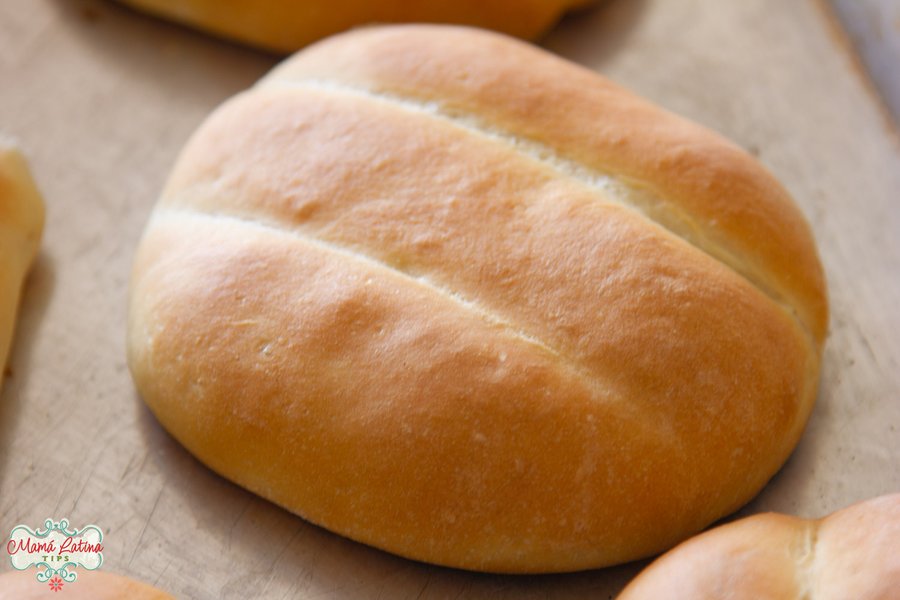
Telera rolls are often considered the quintessential torta bread. Their signature wide, flat shape with two grooves provides an excellent, stable platform for generous fillings. This design prevents the sandwich from falling apart, making it easier to handle and eat. The interior is typically soft and fluffy, absorbing the delicious juices and sauces without becoming overly moist. The grooves also contribute to an even bake and a visually appealing presentation.
Bolillo: The Crustier Cousin
Bolillo rolls, while equally popular, generally have a more oval shape and a slightly crunchier crust. Their interior remains soft and airy, similar to telera, but the added crustiness provides a different textural experience. Bolillos are incredibly versatile and are used not only for tortas but also for various other Mexican dishes, including pambazos.
Mexican Telera Bread, with its characteristic wide shape and two grooves, ready for delicious fillings.
Crafting Your Own Torta Rolls: A Step-by-Step Guide
Making torta bread at home is a rewarding experience that brings the authentic flavors of Mexico directly to your kitchen. The process, while requiring a bit of patience, is straightforward and yields incredibly delicious results.
Essential Ingredients
A basic torta bread recipe typically calls for simple ingredients, ensuring accessibility for home bakers. These include:
- Flour: Bread flour is often recommended for its higher protein content, which contributes to a chewier texture and better structure. All-purpose flour can also be used.
- Yeast: Instant yeast is convenient as it can be mixed directly with the dry ingredients. Active dry yeast can also be used, but may require activation in warm water beforehand.
- Water: Warm water (around 105-115°F or 40-46°C) is crucial for activating the yeast and developing the dough.
- Salt: Essential for flavor and controlling yeast activity.
- Sugar: A small amount of sugar (or honey) feeds the yeast, aids in browning, and enhances flavor.
- Fat (Optional): A bit of vegetable oil or melted butter can add richness and tenderness to the crumb.
The Baking Process: From Dough to Deliciousness
The journey from raw ingredients to perfectly baked torta rolls involves several key stages:
1. Mixing and Kneading
Combine the dry ingredients first (flour, yeast, salt, sugar). Then, gradually add the warm water and oil (if using) to form a shaggy dough. Knead the dough until it becomes smooth, elastic, and no longer sticky. This can be done by hand or with a stand mixer, typically taking 8-10 minutes.
2. First Rise (Bulk Fermentation)
Place the kneaded dough in a lightly oiled bowl, cover it with plastic wrap or a clean kitchen towel, and let it rise in a warm place until it has doubled in size. This usually takes 1 to 1.5 hours, depending on the ambient temperature and yeast activity.
3. Shaping the Rolls
Gently punch down the risen dough to release the air. Divide it into uniform pieces (e.g., 8 for a typical recipe). For telera rolls, roll each piece into an oblong shape. For the distinctive telera grooves, use a chopstick or the side of your hand to create two shallow indentations along the length of each roll. For bolillos, shape them into more oval forms, and sometimes three diagonal slashes are made on top instead of grooves.
This video provides a practical guide on making easy telera bread, perfect for your tortas. It emphasizes the satisfaction of homemade bread.
4. Second Rise (Proofing)
Arrange the shaped rolls on a parchment-lined baking sheet, leaving some space between them. Cover loosely and let them rise again until they are puffy and nearly doubled in size. This second rise typically takes 30-45 minutes.
5. Preparing for Baking
Preheat your oven to a high temperature, typically around 400°F (200°C). For a slightly glossier crust, you can brush the rolls with an egg wash (one beaten egg with a tablespoon of water). Some recipes also suggest misting the rolls with water before baking to encourage a crispier crust.
6. Baking
Bake the rolls for 15-25 minutes, or until they are golden brown and sound hollow when tapped on the bottom. The high initial heat helps create that desirable crust while keeping the interior soft.
7. Cooling
Once baked, transfer the torta rolls to a wire rack to cool completely. This prevents them from becoming soggy and allows the crust to firm up.
Understanding Key Characteristics and Variations
The beauty of torta bread lies not only in its traditional form but also in the subtle variations that cater to different preferences and regional styles.
The Science of Texture
Achieving the perfect torta bread texture - a crisp exterior and a tender interior - is a result of several factors:
- Hydration Level: The amount of water in the dough affects its softness. A well-hydrated dough tends to be softer and more open-crumbed.
- Kneading: Proper kneading develops the gluten, which provides the bread with its structure and chewiness. Under-kneading can lead to a dense crumb, while over-kneading can make it tough.
- Oven Temperature and Steam: Baking at a high temperature quickly sets the crust, creating a crisp exterior. Some bakers introduce steam into the oven during the initial baking phase to further enhance crust development.
Whole Wheat Torta Rolls: A Healthier Twist
While traditional torta bread is made with white wheat flour, whole wheat variations offer a nuttier flavor, denser texture, and darker color. These can be a great option for those seeking a heartier sandwich or a different flavor profile. Adjustments in hydration might be necessary when substituting whole wheat flour, as it absorbs more liquid.

Golden-brown bolillo rolls, a crunchy alternative for your tortas.
Comparative Analysis of Torta Bread Qualities
To further illustrate the key characteristics and preferences for torta bread, let's look at a comparative chart based on ideal qualities for making an excellent torta.
This radar chart illustrates the typical strengths of different torta bread types across various attributes important for a torta. Telera rolls excel in interior softness and filling capacity due to their wider, flatter shape. Bolillo rolls offer superior crust crispiness, while whole wheat rolls often provide a richer flavor profile and good sogginess resistance from their denser texture.
Mind Mapping the Torta Bread Journey
To further visualize the interconnected aspects of torta bread, from its types to its uses and essential characteristics, here is a mind map.
- Torta Bread Essentials
- Types of Torta Bread
- Telera Rolls
- Wide, Flat, Two Grooves
- Soft Interior, Lightly Crusty
- Ideal for Generous Fillings
- Bolillo Rolls
- Oval, Crunchier Crust
- Soft Interior, Crisp Exterior
- Versatile, for Tortas & Pambazos
- Telera Rolls
- Key Ingredients
- Bread or All-Purpose Flour
- Instant or Active Dry Yeast
- Warm Water
- Salt
- Sugar
- Oil or Butter (Optional for Richness)
- Baking Process
- Mixing & Kneading
- First Rise (Bulk Fermentation)
- Shaping Rolls (Oblong, Grooves/Slashes)
- Second Rise (Proofing)
- Baking (High Heat 400°F / 200°C)
- Cooling on Rack
- Desired Characteristics
- Soft & Fluffy Interior
- Lightly Crispy Crust
- Holds Fillings Well
- Subtly Yeasty, Slightly Sweet/Savory
- Culinary Uses
- Main Component of Mexican Tortas
- Pambazos (Another Mexican Sandwich)
- Accompaniment to Soups & Stews
- Types of Torta Bread
This mind map visually organizes the core elements surrounding torta bread, highlighting its types, essential ingredients, the detailed baking process, desired characteristics, and its diverse culinary applications within Mexican cuisine.
Detailed Comparison of Torta Bread Characteristics
To summarize the distinctions and shared qualities of different torta bread types, the following table provides a clear overview.
| Characteristic | Telera Rolls | Bolillo Rolls | Whole Wheat Torta Rolls |
|---|---|---|---|
| Shape | Wider, flatter, two distinct grooves | Oval-shaped, sometimes with three slashes | Oblong or oval, can have grooves/slashes |
| Crust Texture | Lightly crispy, tends to be softer than bolillo | Crunchy, crisp exterior | Slightly chewier, less crisp than white flour versions |
| Interior Texture | Very soft, fluffy, open crumb | Soft, airy, tender crumb | Denser, heartier crumb |
| Flavor Profile | Mildly yeasty, slightly savory | Classic bread flavor, subtly yeasty | Nuttier, earthy, more pronounced flavor |
| Filling Capacity | Excellent (due to width and grooves) | Good (standard sandwich roll) | Good (denser structure holds well) |
| Traditional Use | Preferred for many authentic tortas | Common for tortas, pambazos, general use | Modern variation for hearty tortas |
This table helps illustrate how each type of torta bread brings its own unique attributes to the table, making them suitable for different culinary applications and personal preferences.
Assessing the Effort and Skill for Torta Bread Baking
Baking torta bread at home offers a deeply satisfying experience, but the perceived difficulty can vary depending on one's baking experience. Here's an evaluation of different aspects of the baking process.
This bar chart provides an opinionated view on the ease of various stages in making torta bread at home, with 10 being the easiest. Ingredient sourcing and baking execution are generally straightforward, while mastering kneading technique and achieving precise shaping for telera grooves might require a bit more practice.
Frequently Asked Questions About Torta Bread
Conclusion: The Heart of the Torta
Mastering torta bread, whether it's the wide telera or the crusty bolillo, is a rewarding endeavor that unlocks the true potential of Mexican tortas. The journey from simple ingredients to a perfectly baked roll is a testament to the art of baking, yielding a bread that is not only delicious on its own but also an impeccable canvas for a myriad of fillings. The unique combination of a soft interior and a crisp exterior ensures that every bite of a torta is a harmonious blend of textures and flavors, making homemade torta bread an essential component for any authentic Mexican culinary experience. Embrace the process, and enjoy the satisfaction of crafting these foundational rolls that are truly the heart and soul of the torta.
Referenced Search Results
Last updated October 2, 2026